Innovative Architect Designs: Unlocking the Benefits of Expert Architecture Services
Revolutionary architectural concepts play an essential role in influencing contemporary spaces. When focusing on functional sustainability, urban planners can develop environments that align with societal demands. Incorporating smart technologies and eco-friendly materials enhances energy efficiency while promoting meaningful connections. As architectural concepts advance, they respond to human-centered needs and reflect community identity. A key inquiry persists: in what ways do these factors combine to revolutionize our metropolitan spaces and elevate human well-being?
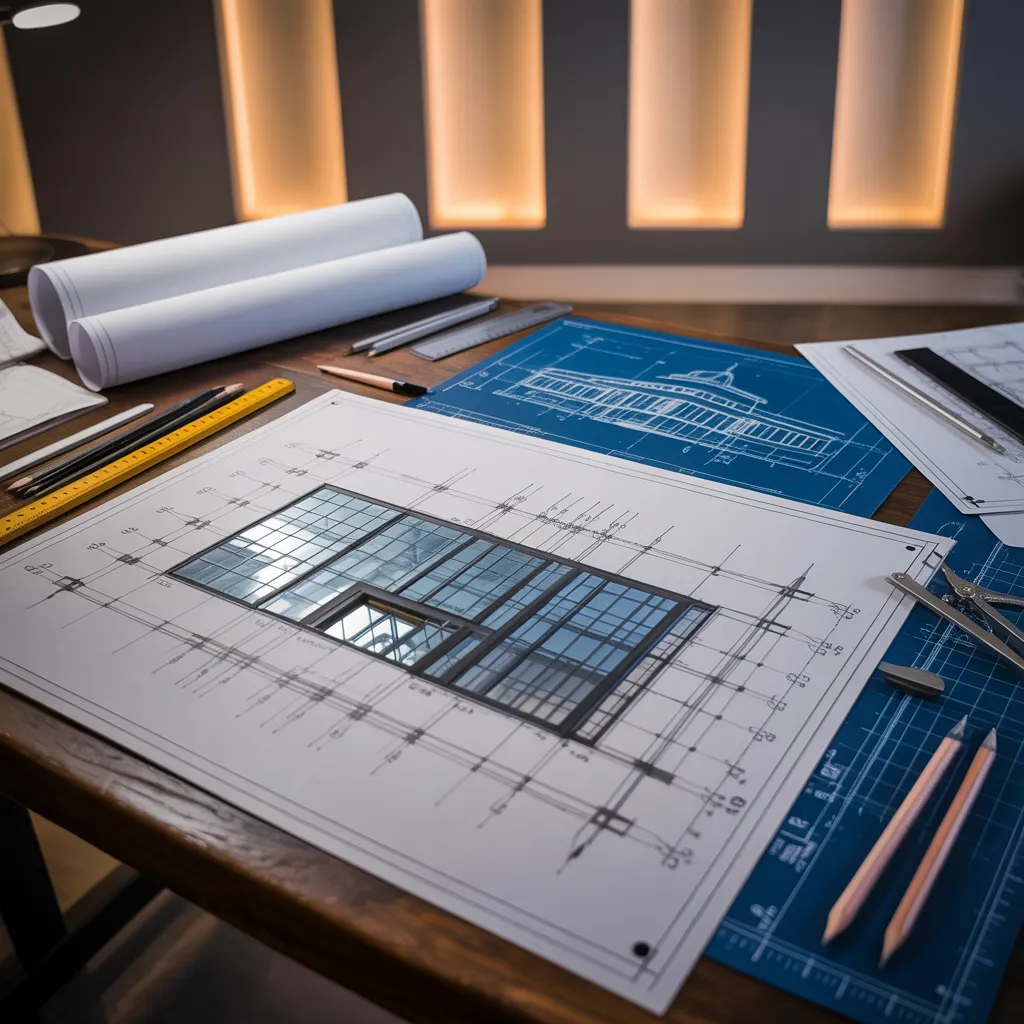
The Importance of Architects in Developing Sustainable Spaces
Architects play a crucial role in the development of sustainable spaces, substantially affecting the environmental effect of the built world. Their proficiency supports the inclusion of green building materials, energy-efficient systems, and innovative design principles that limit resource expenditure. Through a focus on sustainability, architects have the capacity to design structures that lower carbon emissions and improve energy efficiency.
Partnership with engineers and environmental specialists is vital in this undertaking, ensuring that both aesthetic and functional criteria are met by designs while upholding environmentally responsible methods. Additionally, architects take into account the surrounding ecosystem, promoting biodiversity and incorporating natural elements that foster a harmonious relationship between constructed and natural spaces.
Through thoughtful planning, architects also advocate for the use of renewable energy sources, such as wind or solar energy, which also supports sustainable objectives. In the end, their responsibilities reach far beyond building; architects shape the future of urban landscapes by cultivating a dedication to responsible design and environmental stewardship.
Top Innovations in Architectural Design That Enhance Functionality
Many advancements in structural architecture are reshaping how contemporary spaces operate. One prominent advancement is the adoption of smart systems, enabling structures to respond to occupant requirements through self-regulating lighting, environmental controls, and safety mechanisms. This improvement leads to greater energy savings and enhanced occupant comfort.
Furthermore, modular construction techniques are gaining traction, enabling faster assembly and greater flexibility in design. These buildings can be conveniently restructured or enlarged, making them well-suited for diverse purposes.
The concept of biophilic design, which weaves natural elements into building design, supports health and efficiency, nurturing a bond between building users and the spaces they inhabit.
Moreover, open floor plans continue to gain popularity, enabling flexible spaces capable of accommodating various activities.
Finally, green materials are being incorporated not only for their environmental benefits but also for their attractive appearance and resilience, elevating the general efficiency of modern constructions. Collectively, these developments result in more versatile and optimized architectural outcomes.
How Design Connects Communities
Design plays a pivotal role in nurturing connections within communities, establishing environments that encourage engagement and cooperation among community members. Strategically crafted recreational areas, plazas, and shared spaces serve as essential gathering spots, promoting public participation and a sense of belonging. Structural characteristics such as flexible arrangements and versatile areas provide possibilities for community events and activities, improving the general well-being.
Furthermore, designs that embrace local heritage and history establish a unique identity, enabling residents to develop a stronger connection to their environment. By championing accessibility and inclusivity, architects confirm that everyone, regardless of age or ability, can participate in community life.
The integration of natural elements, such as parks and leisure spaces, additionally elevates the neighborhood experience, giving residents a retreat and an area for mutual enjoyment. In the end, intentional architectural planning not only defines physical environments but also fosters the connections that unite communities.
Maximizing Energy Efficiency Via Expert Architectural Design
A major transformation toward sustainable energy use is transforming the building design landscape, spurring the development of innovative solutions that lessen ecological footprint. Professional architectural services serve a vital function in this shift by incorporating eco-friendly approaches into the design process. These architecture specialists evaluate energy consumption patterns and employ high-quality materials, such as top-grade insulation and thermally efficient windows, to decrease thermal energy demands.
Additionally, the adoption of renewable energy sources, like solar installations and geothermal technologies, not only minimizes reliance on fossil fuels but also lowers overhead expenses for building owners. Intelligent building systems further enhance overall energy performance, providing real-time energy monitoring and usage adjustments.
With careful planning and creative design, professional architects create spaces that not only meet strict environmental requirements but also promote long-term sustainability. This commitment to energy efficiency ultimately supports a greener planet and more robust communities, highlighting the essential role of architecture in combating climate change.
Impressive Urban Landscape Redesigns
One striking instance involves the transformation of derelict waterfront areas into vibrant leisure spaces, equipped with cultural installations, walking paths, and green parks. Such developments not only beautify the landscape but also stimulate local economies by drawing in visitors and commercial enterprises.
Beyond this, effective urban design recognizes the unique attributes of a locality, confirming that each transformation honors its heritage and character. This tailored approach cultivates a spirit of ownership among community members, motivating responsible management of the space. In the end, successful urban landscape transformations demonstrate the potential of architectural innovation to transform the urban environment and support environmentally conscious communities.
What's Next for Innovative Architecture?
How might forward-thinking architecture evolve to meet and respond to the shifting needs of modern society? As urban environments grow increasingly complex, architects are tasked with addressing pressing challenges such as sustainability, affordability, and social equity. Innovative technologies, encompassing artificial intelligence and next-generation materials, open up new possibilities for design, supporting more effective construction processes and superior energy performance.
Additionally, architects are continually working alongside a wide range of stakeholders, from community members to environmental experts, confirming that blueprints represent the goals and necessities of the people they serve. Such an inclusive strategy cultivates resilience, empowering constructions to withstand evolving environmental conditions and community needs.
Moreover, the integration of biophilic architectural principles supports overall well-being, connecting inhabitants with nature. As the field of architecture advances, the emphasis on innovative solutions will continue to be essential, propelling the industry to develop areas that are functional while also being transformative for the generations ahead.
Frequently Asked Questions
How Do Architects Work Together With Engineers on Projects?
Architects partner with engineers by combining design principles with technical specifications, ensuring structural integrity and functionality. Frequent meetings enhance communication, allowing both disciplines to address challenges and advance project success through combined expertise and forward-thinking strategies.
What Are the Fees Associated With Hiring an Architect?
The costs associated with hiring an architect typically include design fees, project management expenses, and potential additional charges for site visits or consultations. These costs can vary considerably depending on the complexity of the project and its location.
How Much Time Does the Architectural Design Process Usually Take?
The architecture design workflow usually spans several months, depending on linked resource project complexity and client requirements. Factors such as permit approvals, design revisions, and coordination with contractors can also influence the overall timeline, commonly adding considerable time to the process.
Can Architects Help With Zoning and Permit Applications?
Indeed, architects offer support for zoning and permit applications. Their professional skills help address intricate zoning regulations and ensures conformity with local regulations, streamlining the process and improving the chances of gaining the essential approvals for construction projects.
What Qualities Should I Look for When Hiring an Architect?
When selecting an architect, you should consider qualifications such as licensing, education, experience in related projects, excellent interpersonal and communication skills, and a portfolio showcasing creativity and problem-solving skills. Specific areas of expertise may also matter based on the nature of the project.