Enhance Your Home With Professional Architecture Offerings
Optimizing a home through expert design consultation involves more than just visual elements. It requires a deep insight of usable design and local building codes. Working with an veteran architectural professional can address common challenges while strengthening property equity. The process is strategic and exhaustive, guaranteeing that every detail harmonizes with the homeowner's vision. Yet, many homeowners struggle to progress through this journey more info competently. What steps can they take to secure a successful association?
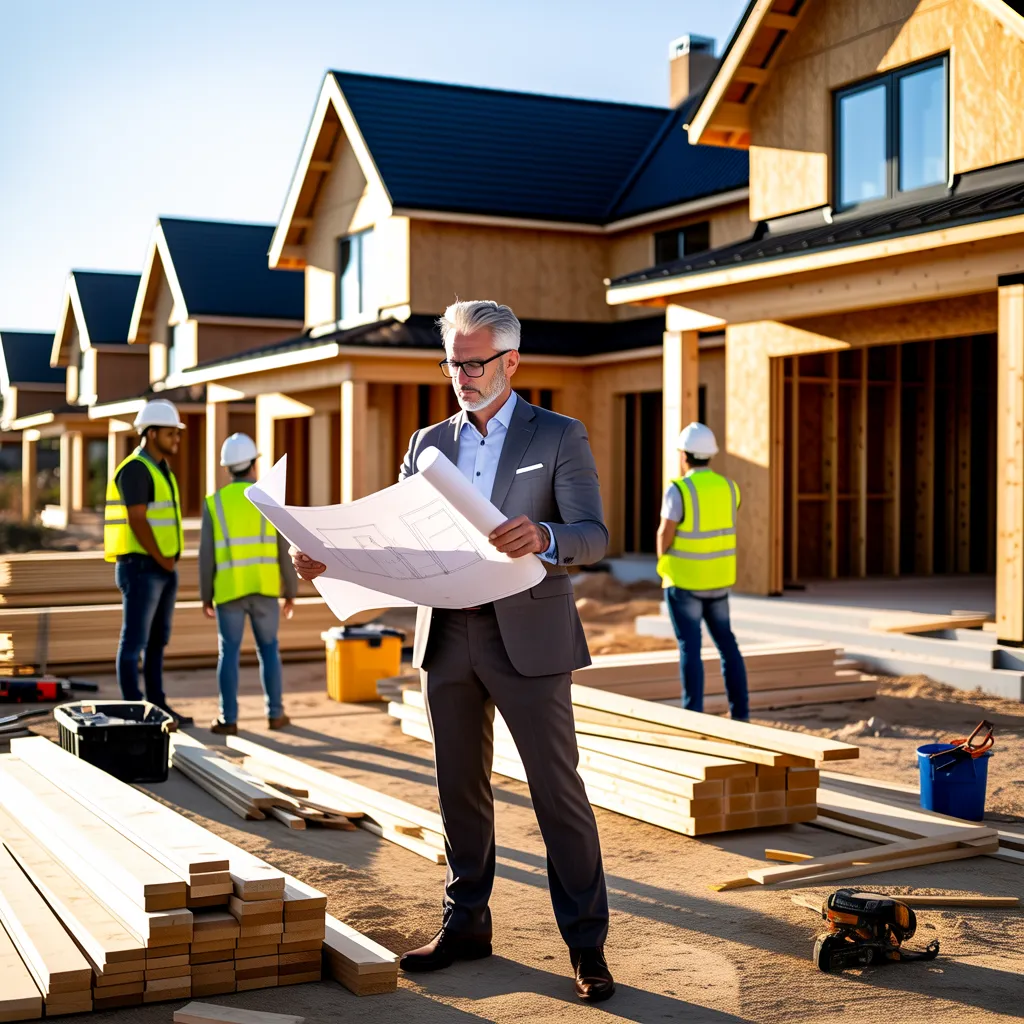
Common Home Design Issues and How Architects Support
What causes home design to be so demanding for most homeowners? The challenge of balancing personal aesthetic choices with practical needs often overwhelms them. Homeowners commonly encounter issues with spatial constraints, monetary constraints, and legal standards, making design work more challenging. Additionally, many absence of the specialized expertise required to manage structural needs and building codes.
Architects maintain an indispensable role in tackling these barriers. Their professional preparation outfits them to traverse the subtleties of design, ensuring that a homeowner's vision aligns with practical conditions. Architects can furnish revolutionary solutions to maximize space while maintaining safety standards. They also support in establishing unified designs that manifest the homeowner's character. By extending wisdom into fabrics and erection methods, architects enable hasten the deliberation undertaking. Ultimately, their expertise metamorphoses a potentially formidable quest into a collaborative journey, cultivating a harmonious balance between imaginativeness and practicality in home design.
Perks of Consulting a Professional Architect
Collaborating with a skilled designer improves the residential design process by merging expert knowledge with the client's vision. Architects contribute a broad range of expertise in design fundamentals, structural codes, and sustainability practices, ensuring that the undertaking not only meets visual objectives but also adheres to standards. Their ability to visualize and express complex ideas assists with transforming theoretical ideas into tangible designs.
Additionally, architects can provide creative solutions to spatial issues, enhancing functionality and layout. They also manage the complexities of the construction phase, coordinating with contractors and suppliers to guarantee schedules and finances are followed. This expert management reduces possible mistakes and decreases the tension related to home renovation or construction. In the end, engaging with an architect results in a unified, well-designed space that captures the homeowner's character while increasing overall home value.
What Constitute the Necessary Components in the Architectural Framework?
Why is understanding the building design process important from initial idea to end? The journey commences with an initial consultation, where the designer and customer discuss goals, needs, and budget. This phase is fundamental for building a clear vision. Next, the architect executes location review, evaluating variables like terrain, climate, and zoning regulations.
Subsequently, the design phase gets started. At this stage, sketches and digital models are produced, allowing the client to visualize the project. Once the design is established, the architect creates extensive construction specifications, containing specifications and drawings.
Once required permits are obtained, the project enters the building stage. The architect frequently collaborates with contractors to guarantee that the plan is implemented correctly. Regular on-site inspections and assessments help preserve quality and adherence to the original vision. Finally, the project concludes in a walkthrough, verifying that the finished structure satisfies the client's requirements before the official handover.
What's the Best Way to Choose the Perfect Architect for Your Home?
Selecting the appropriate designer for a residence necessitates thoughtful evaluation and research. Prospective homeowners should start by establishing their specific requirements and budget, which will guide their search. Recommendations from acquaintances, family, or property specialists can offer valuable opportunities. Web portfolios and reviews support examining an architect's previous projects and customer satisfaction.
Next, interested parties should speak to multiple prospects to assess their manner of speaking, background, and design methodology. It's vital to cover project timelines and client expectations to ensure agreement. Furthermore, verifying credentials and reviewing relevant licenses and certifications can avoid future complications.
Ultimately, homeowners should listen to their intuition. The best architect should not only display the necessary skills but also align with the homeowner's aspirations and beliefs. This synergy creates a collaborative environment, ultimately producing a strong collaboration in developing a perfect residence.
Approaches to Present Your Vision Proficiently
Communicating a vision for home design proficiently is essential for a productive cooperation between property owners and architects. To achieve this, homeowners should begin by explicitly specifying their requirements and selections. Producing a mood board with images, pigments, and materials can support transmitting aesthetic desires. Additionally, outlining functional requirements, such as space allocation and layout, ensures that the architect appreciates practical components.
Property owners should also engage in frank discussion, encouraging questions and feedback to improve their vision. Regular check-ins throughout the design process foster collaboration and transparency. Using straightforward language to express ideas and concerns can avert misunderstandings and help align expectations.
To summarize, maintaining openness to the architect's competence provides a more dynamic exchange of ideas. By integrating personal vision with professional insight, homeowners can develop a constructive relationship that generates a beautifully designed space capturing their aspirations.
Tips for Financial planning Building design Services
While beginning a home design project, setting a budget for architecture services is crucial to avoid monetary hardship later. Homeowners should begin by investigating typical fees in their area, which can vary based on the project's complexity and the architect's experience. It is recommended to allocate a percentage of the overall project cost specifically for architectural services, typically ranging from 5% to 15%.
Next, prospective customers should review the breadth of services needed—whether they require full design and project oversight or simply preliminary consultations. Participating in open dialogue with potential design professionals regarding their cost arrangements can shed light on pricing.
Additionally, homeowners should take into account unexpected expenses and potential revisions, building a buffer into the budget. By explicitly outlining their monetary limits in advance, customers can ensure they pick an design expert who aligns with their vision while remaining within their financial limits.
Common Inquiries Asked Often
What Styles of Architecture Can I Choose for My Home?
Homeowners may select from various building designs, encompassing modern, traditional, colonial, Mediterranean, and contemporary. Each style offers distinctive appearance and utility, allowing individuals to demonstrate personal preference while accounting for regional influences and environmental factors.
How Long Does the Design Process Typically Require?
The architectural process typically takes multiple months, depending on project complexity, design sign-offs, and local regulations. Elements such as client feedback and building timelines can also affect the schedule significantly throughout the process.
Can Architects Help With Sustainable Design Options?
Architects can clearly assist with green design choices. They include sustainable materials, efficient energy systems, and creative designs, ensuring projects minimize environmental impact while boosting functionality and aesthetic appeal, aligning with clients' sustainability goals effectively.
What Requirements Should I Find in an Building Designer?
When engaging an architect, one should look at their qualifications, accreditation, involvement in related assignments, portfolio showcasing design style, and knowledge of local regulations. Communication skills and feedback from previous clients also become crucial in the decision-making process.
What Method Do Architects Take to Tackle Zoning and Permit Problems?
Architects tackle zoning and permit issues by performing comprehensive analysis on regional requirements, preparing necessary documentation, and working with municipal authorities. Their knowledge guarantees compliance, streamlining the approval process for customer developments effectively.